Part 5 of 6: The Five-Layer Marketing System
Operations: Automate a Broken Process and You Just Break It Faster
By George B. Thomas with Quinn, his AI writing sidekick · · 8 min read
Listen · 11 min AI-narrated
 Part 5
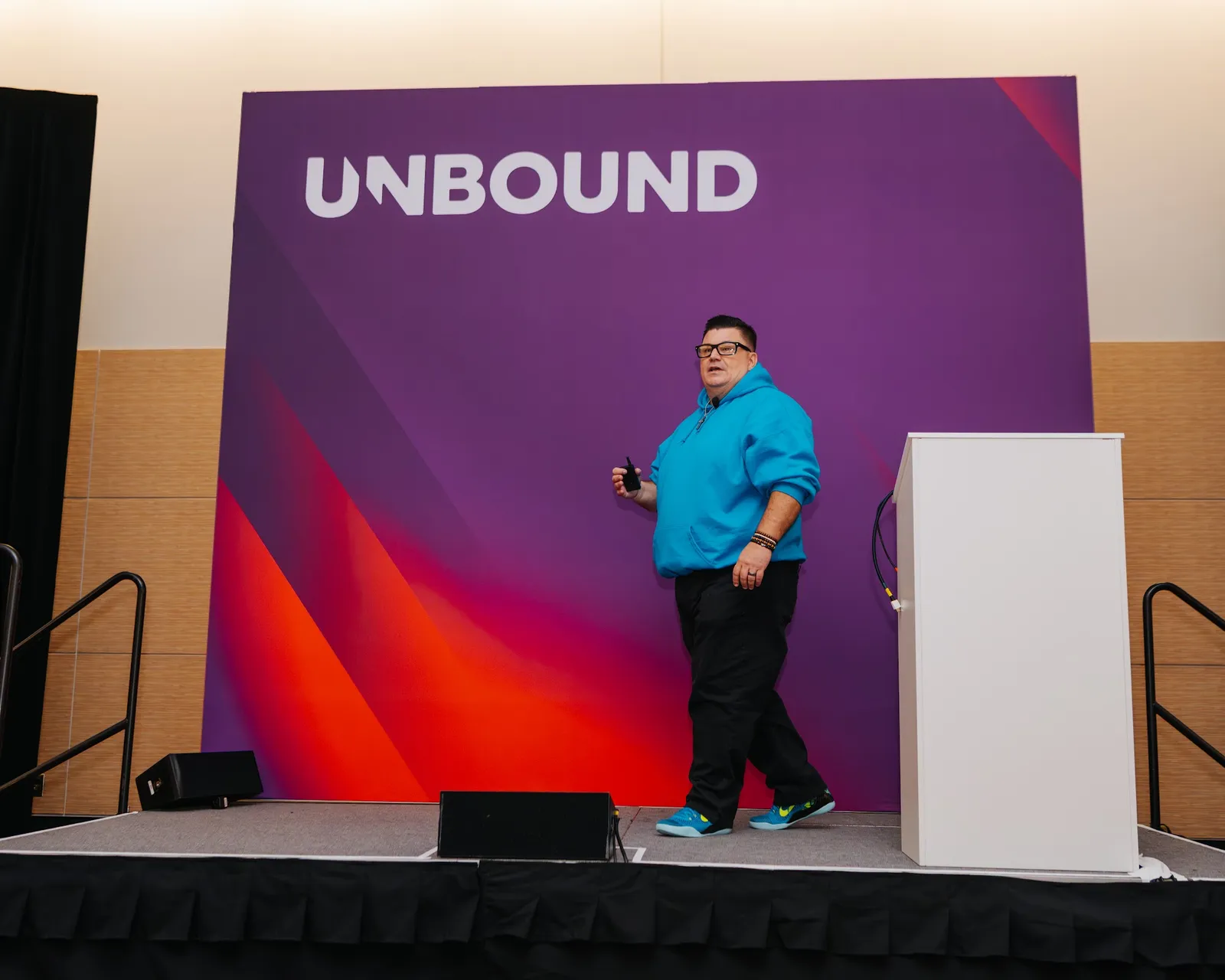
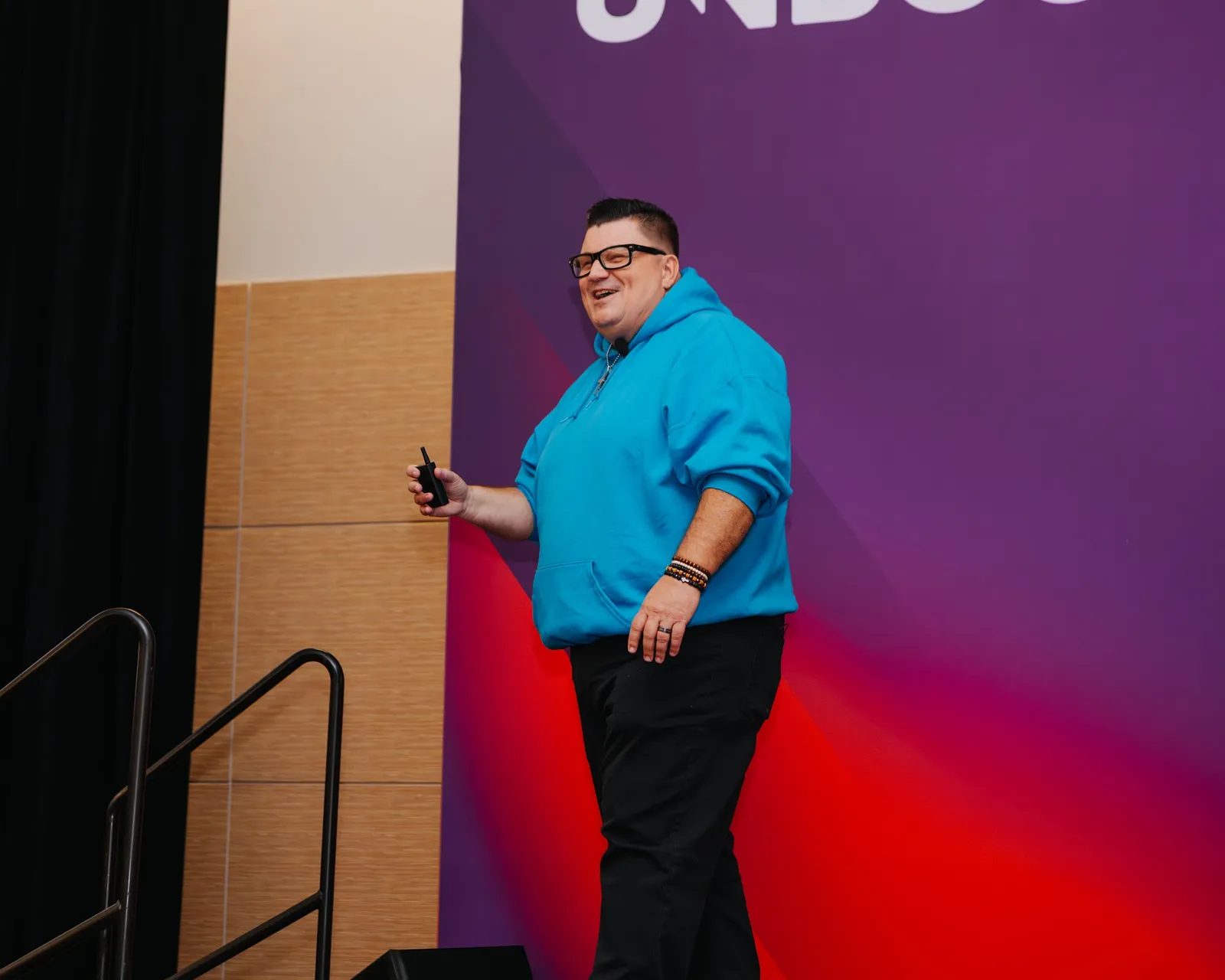
Operations is the layer nobody brags about at dinner parties. There's no award at any conference for the cleanest handoff process. But I'll say it with a straight face, the same way I did in my UNBOUND 2026 session: "more marketing dreams die in this layer than anywhere else." Not from a lack of ideas. From friction.
Every layer so far has been above the waterline, the stuff your market sees. This one is below deck. It's the engine room. (I love cruising, so I get to use boats as much as I want.) And it's where most marketers are quietly drowning: "the manual copy and paste, the spreadsheet held together with hope, the one person who knows the whole thing."
If your out-of-office reply is on because you're finally taking that vacation, it "might as well say the marketing department is closed until you return."
This is Layer 4 of the five-layer system. The full map is in You Can't Out-Tactic a Leaking System. The mindset behind this layer is System-Backed, and the hard thing is automating chaos.
It's also where the UNBOUND 2026 scorecards hurt the most. Of the five layers, Operations scored lowest on average, and the single lowest-rated statement out of all 25 was "A new hire could run our core marketing processes from written steps." That's self-reported, from one room. It's also a room full of smart, hardworking humans telling the truth about their engine rooms.
A Single Point of Failure With a Nice Personality
I've lived below deck, so I say this with love.
"Early in my career, heck, sometimes even now in my career, I'm the engine. I'm the whole engine room. Every process lives in my head or lived in my head. And I wore that... like a badge of honor."
Look how essential I am. Nothing ships without me.
"Friends, that's not a badge. That is a single point of failure with a nice personality."
It took me years to see that, and I still go blind to it sometimes. Because here's the thing about the engine room: none of it shows up in a report. "There's no dashboard for hours lost to copy paste. There's no chart for the process that lives in one human's head." The cost is invisible, so it never gets prioritized. It just gets absorbed by your humans, by "their evenings and their energy, and eventually their resumes."
The Most Dangerous Pixel in Your Tech Stack
Everybody's answer to the engine room is the same word: automation.
And I love automation. Automated, automatic, automagical, I'm here for all of it. But it's a trap that catches almost everybody. "Automation multiplies whatever you feed it. So feed it a clean process, it multiplies clean. Feed it chaos, it multiplies chaos faster."
It does that with a cheerful little "workflow completed" check mark. That green check mark "might be the most dangerous pixel... in your entire tech stack because it looks like progress, it feels like progress." Meanwhile it's mass-producing mess: wrong data, duplicate records, emails firing at the wrong humans at the wrong moment, all stamped complete.
"You didn't automate a process. You automated a mess, and now the mess is on schedule."
That's the anchor for this layer, and I want you to read it like a warning label:
"Automate a broken process and you don't fix it. You just break it faster."
This isn't a new idea, which is part of why I trust it. Back in 1990, Michael Hammer wrote in Harvard Business Review that companies were using technology "to mechanize old ways of doing business," leaving broken processes intact and using computers "simply to speed them up." His line for it: "It is time to stop paving the cow paths." Thirty-plus years later, we've got better tools and the same temptation.
If You Can't Write It Down, You Have a Habit
So the move is order of operations. Clean it, then automate it. And the way you clean it is you write it down, so a new hire could run it from written steps.
"If you can't write it down, you don't have a process, you have a habit. And habits retire the same time the humans who were holding the habits up do... Processes outlive everybody."
Writing it down sounds too simple to matter. It isn't. When the World Health Organization introduced a 19-item surgical safety checklist in eight hospitals around the world, the rate of deaths after surgery dropped from 1.5% to 0.8%, and complications dropped from 11% to 7%. That was a before-and-after study, not a controlled trial, and your webinar follow-up isn't surgery. But the lesson travels: even experts do better when the steps live on paper instead of in their heads.
And start with your data. When I'm asked where a team should begin, my answer is "Cleaning Data first!" Because "you got to have your data right! It's what you use to make decisions from a business standpoint... Also now your AI context." I've seen dirty data and missing personas water down communication more times than I can count, and I'm not going to point at anybody. I'd rather you point at your own. Open your CRM this week and ask how much of what's in there you'd bet a decision on.
Agents Make All of This Matter Twice
Here's why this layer matters more right now than it ever has. The next wave isn't just automated workflows. It's AI agents, "autonomous hands on your operation, making moves while you sleep."
"Everything I just said about automation goes double for agents. A clean process handed to... an AI agent becomes a superpower. A messy one becomes a very, very expensive fire."
The teams that clean their engine room this quarter get the superpower next quarter. The rest get the fire.
I run my own automations this way. My weekday devotional email sends itself, but it's never unattended, and I wrote about how that works in The Daily Drip: Automatic, Never Unattended. Automatic is fine. Unattended is how a mess gets a schedule.
So if you take one question into your Monday meeting, make it this one: "What's our messiest process? And what would it take to write it down? That question costs nothing and it starts everything."
Worked Example: A Person Who Gets to Go Home for Dinner
A client we worked with, Make Taxes Fair, was drowning in manual work. "The kind where good talented humans spend whole days doing robot work," moving data by hand, copying from one screen to another, checking things a machine could check.
They got 30+ hours a week back, from cleaning up and automating their processes and from work we took off their plate. Not a one-time win. Every week. The Make Taxes Fair case study has the whole story.
Think about what that actually is. "That's not a line on a dashboard. That's a person who gets to go home for dinner." That's somebody's evenings back, and somebody finally doing the creative work they were hired to do. "It doesn't just buy you efficiency, it buys you your people back."
Now let's make it small enough to run on your own process this week. Here's an illustrative five-step runbook, not a client, for a weekly webinar follow-up:
- Tuesday by noon, export the attendee and no-show lists from the webinar tool. (Login: the shared marketing account.)
- Import both lists into the CRM with the "Webinar: [month]" tag. Check for duplicates before you save.
- Send the attendee email from the "Webinar recap" template, with the replay link and the one resource mentioned live.
- Send the no-show email from the "You missed it" template, replay link only.
- Create a task for the sales owner of any attendee who asked a question, with the question pasted into the task.
Read it back as if you knew nothing. Could a new hire run it with zero questions? Then run it through the gate. Is it documented? Did a stranger test it? Did you cut the step that only exists out of habit, like the approval nobody reads? Does it have a named owner? Only when every box is checked does it earn automation. Then automate one piece, set one guardrail, and watch it.
Score Your Operations
Rate each statement 1 to 5 (1 Broken, 5 Dialed in). Score low if the honest answer scares you.
- A new hire could run our core marketing processes from written steps.
- If our most operationally critical person left tomorrow, little would break.
- We automate processes we've cleaned up, not chaos we've cemented.
- Our team loses few hours a week to manual work a system could handle.
- Handed to an AI agent today, our operation would amplify something clean.
Where Operations Hands Off
A clean operation finally produces numbers you can trust. And numbers you can trust are the raw material of the last layer, Intelligence, where those numbers either get framed on a wall or get wired to a decision.
The teams that flourish over the next few years won't be the ones with the most tools below deck. "They'll be the ones whose engine room gave the humans room to be human."
Operations was the lowest-scoring layer in the room at UNBOUND. If you want to know where yours stands, the free scorecard takes about ten minutes. And if you want the full Operations course, the Five-Step Runbook worksheet, and a coach who knows your scores, get the system at marketing.sidekickstrategies.com.
If you'd rather talk it through, I'd love to hear what you're building. Here's how.
 Free fit call
Let's see if we're a fit
Bring where you are and where you want to go. We'll figure out the next step together, even if that step isn't working with me.
Curious where you stand? Take the 3-minute AI readiness assessment.